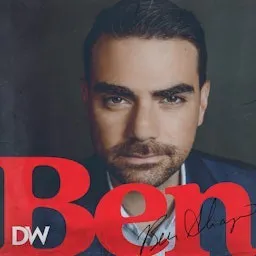
Episode Summary
Executive Summary: The episode argues that Donald Trump’s path to the GOP nomination is being aided by media momentum, establishment consolidation, and violent anti-Trump protests that make him look sympathetic. Shapiro predicts Trump can still win only if the left remains unpopular, but warns Trump’s broader “sideshow” baggage and authoritarian-style support base will likely sink him in the general election and damage the GOP.
Main Topics: Trump's nomination momentum and Indiana as a turning point (Priority: 5/5): The discussion centers on Trump being poised to win Indiana and likely secure the nomination, with Ted Cruz portrayed as needing a near-perfect outcome to stay alive. How Trump supporters construct a winning narrative (Priority: 5/5): Shapiro argues Trump backers must inflate Trump’s electability, claim the establishment has come around, and later blame conservatives if Trump loses. Republican establishment consolidation behind Trump (Priority: 4/5): The episode claims GOP figures like Gingrich, Rove, Rubio, Boehner, and Pence are drifting toward Trump for power, money, or fear of party fracture. Anti-Trump protests and their political effect (Priority: 5/5): Violent or disruptive protests at Trump events are presented as helping Trump by making his opponents look extreme and intolerant. Trump as both counterpuncher and 'sideshow' (Priority: 5/5): Shapiro distinguishes Trump’s effective reactive attacks from his self-created controversies involving Caitlyn Jenner, Mike Tyson, and exaggerated rhetoric, which he says will hurt in the general election. Media and celebrity politics surrounding Obama and Trump (Priority: 4/5): The White House Correspondents' Dinner is used to criticize media intimacy with power and to argue that celebrity-driven politics has normalized personality worship on both left and right. Hillary Clinton as a weak general-election opponent (Priority: 4/5): Shapiro says Hillary is vulnerable and unlikeable, but still likely to beat Trump because Trump carries too much baggage and too many negatives.
Key Arguments: Trump backers need to pretend he is highly competitive despite polls showing him behind Clinton and weak on key demographics. Republican elites are consolidating around Trump not out of genuine ideological alignment, but to avoid a split and preserve access to money and influence. If Trump loses, his supporters will likely blame anti-Trump conservatives rather than Trump’s own weaknesses. Violent anti-Trump protests help Trump politically by making his opposition look radical, irrational, and authoritarian. Trump can win only if voters view him as a counterpunch to the left’s excesses; he loses if the campaign becomes about his own history of recklessness and chaos. The media is helping create Trump’s momentum narrative, just as it previously helped shape expectations around Cruz and other candidates. Trump’s support base is described as absolutist and anti-everything, with loyalty replacing rational policy evaluation. Hillary Clinton is portrayed as deeply flawed, but Trump’s scandals, incoherence, and celebrity baggage make him an even riskier general-election nominee.
Data Points: Trump chance of winning at Betfair: 18% - Used to argue that betting markets do not support claims that Trump is likely to win the presidency. Trump chance of winning at Bovada: 29% - Presented as another market estimate showing Trump as a weak general-election favorite. Trump chance of winning on PredictWise: 27% - Cited as further evidence that Trump is not strongly positioned for the general election. Head-to-head Clinton vs. Trump polls: Clinton wins 42 of the last 50 - Used to undermine Trump supporters’ claim that he is the only Republican who can beat Clinton. Rasmussen poll (Trump vs. Clinton): 41-39 Trump - Discussed as a misleading sign of competitiveness because it includes large shares for undecided/other candidates. Undecided or other voters in Rasmussen poll: 20% total - 15% wanting somebody else plus 5% undecided, weakening the significance of Trump’s lead. White vote share Trump needs: 63% - Shapiro says Trump would need this level to be competitive with Clinton, far above the poll’s 48% reading. White vote share Trump gets in Rasmussen poll: 48% - Used to show Trump’s coalition is insufficient for a general election win. Indiana polling example: 49-35 Trump over Cruz - Wall Street Journal/NBC poll cited to suggest Trump is about to win Indiana decisively. Trump's overall electoral burden: Potential loss in 43 states - A rhetorical estimate used to emphasize how badly Trump could lose in a general election.
Pivotal Quotes: "never means never" — Ben Shapiro: A declaration of his refusal to support Trump even as the nomination becomes inevitable. "if the establishment got behind them if they could threaten them into conciliation" — Ben Shapiro: Explaining the Trump strategy for forcing GOP elites to accept him. "It is a funny line. OK, it's a funny line." — Ben Shapiro: Commenting on Trump’s ‘crossing the border’ joke after entering a rally through a fence.
Implications: The episode warns that Trump’s rise could realign the GOP around personality, resentment, and grievance rather than policy, while violent opposition and media theatrics may further normalize extremism and deepen intra-party blame if Trump loses.
About The Ben Shapiro Show
Tired of the lies? Tired of the spin? Are you ready to hear the hard-hitting truth in comprehensive, conservative, principled fashion? The Ben Shapiro Show brings you all the news you need to know in the most fast moving daily program in America. Ben brutally breaks down the culture and never gives an inch! Monday thru Friday.