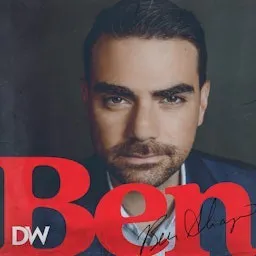
Episode Summary
Executive Summary: The episode centers on Elon Musk’s takeover of Twitter, framing it as a free-speech and business reset against a politically motivated tech/media elite. It also pivots to midterm election anxiety, arguing Democrats are in trouble because of inflation, candidate quality, and misleading priorities, with Fetterman’s debate performance and Nevada/Georgia/Pennsylvania races highlighted as warning signs.
Main Topics: Elon Musk’s Twitter takeover and free-speech vision: Musk’s visit to Twitter HQ and his letter to advertisers are presented as a pro-speech, anti-gatekeeping move meant to restore Twitter as a digital town square rather than a curated political publisher. Twitter employees, layoffs, and tech entitlement: The transcript mocks Twitter staff demands for job security, remote work, and dignity, arguing their reaction reflects entitlement and that Musk is justified in cutting a bloated, unprofitable workforce. Media and left-wing opposition to open speech platforms: The show argues critics falsely claim more free speech will produce fascism, misinformation, and violence, while actually defending the media’s preferred role as gatekeepers over what gets amplified. Broader tech sector slowdown and weak business fundamentals: Twitter is used as an example of a larger tech correction as Google, Meta, and Microsoft reportedly face declining profits, slower ad sales, and tougher macroeconomic conditions after years of cheap money. Democratic midterm panic and polling weakness: The episode says Democrats are scrambling because their message is misaligned with voter concerns like inflation, crime, jobs, and immigration, and because key races are tightening or tilting Republican. John Fetterman’s debate performance and health concerns: Fetterman’s debate is described as disastrous and evidence of serious cognitive/communication limitations after his stroke, with criticism of media attempts to sanitize the issue. Key Senate and gubernatorial battlegrounds: Pennsylvania, Georgia, Nevada, and New York are discussed as major contests where Republicans may gain ground, especially if Democrats continue to underperform or run weak candidates.
Key Arguments: Musk buying Twitter is framed as a corrective to a platform that has functioned like a politicized publisher rather than a neutral forum, and that should allow broader debate with user-level controls. Twitter employees are portrayed as overpaid and underproductive, making layoffs rational business behavior rather than intimidation. The left’s real objection is not moderation policy but losing the ability to control information flow and act as gatekeepers between public figures and the public. Free speech inevitably allows offensive or bad ideas, but the answer is counter-speech and social consequences, not censorship by corporations or governments. Claims that misinformation makes speech impossible are treated as overbroad and logically flawed because they would justify censorship by whoever defines truth. Democrats are in trouble because inflation and the economy matter more to voters than abortion, January 6, or climate messaging. Fetterman’s debate exposed the seriousness of his health issues, and media attempts to reframe the debate as inspirational or to blame Dr. Oz are depicted as disingenuous. Walker and Warnock, as well as races in Nevada and New York, are presented as evidence of a potentially strong Republican cycle driven by economic dissatisfaction.
Data Points: Twitter workforce reduction claim: 75% - Employee letter warned Musk’s plan to lay off 75% of Twitter workers would hurt the platform. Twitter price-to-earnings ratio: about 160 - Used to argue Twitter’s valuation was wildly disconnected from profitability. Pure Talk monthly plan: $30/month - Ad read for cell service with unlimited talk, text, and data. Average family savings with Pure Talk: almost $1,000/year - Promotional claim about switching phone carriers. Podium business claim: 100,000+ businesses - Marketing software described as being used by over 100,000 businesses. Truck sale via text: $50,000 - Example of a car dealer selling a truck in four text messages. Collections recovered via text: $7,000,000 - Example of a dentist collecting payment through text campaigns. Matching charitable donation: $25 matched - Donation to the International Fellowship of Christians and Jews matched dollar-for-dollar through the promotion. Food box support duration: 1 month - A $25 donation provides one month of nutritious food for an elderly Jew in Ukraine. Marriage rate: all-time low in 2018 - Used in promotion for Jordan Peterson’s series on marriage. Democratic House generic ballot polls: Democrats +4 and +5 in two polls - Economist/YouGov and Morning Consult polls cited as outliers favorable to Democrats. Democracy Corps poll: Republicans +2 - A Democrat-aligned poll showing a Republican edge in the generic ballot. Midterm spending in NY/NJ districts: $6.3 million - Washington Post cited Democratic ad spending to defend vulnerable seats. COVID deaths preventable claim: at least 25% - Transcript cites an op-ed arguing a quarter of U.S. COVID deaths were preventable with vaccination.
Pivotal Quotes: "The reason I acquired Twitter is because it is important to the future of civilization to have a common digital town square where a wide range of beliefs can be debated in a healthy manner without resorting to violence." — Elon Musk: Quoted from Musk’s letter to advertisers explaining his motivation for buying Twitter. "We demand to be treated with dignity and to not be treated as mere pawns in a game played by billionaires." — Twitter workers: From the employee letter protesting Musk’s planned layoffs and policy changes. "Twitter was never meant to be anything remotely like that. It was supposed to be a town square, and everybody knew that." — Ben Shapiro: Central argument that Twitter should function as a platform for speech, not curated publishing.
Implications: The episode argues Musk’s Twitter could weaken media/corporate speech gatekeeping and that 2022 midterms may produce a Republican rebound. It suggests debates over free speech and candidate competence will shape politics and tech for years.
About The Ben Shapiro Show
Tired of the lies? Tired of the spin? Are you ready to hear the hard-hitting truth in comprehensive, conservative, principled fashion? The Ben Shapiro Show brings you all the news you need to know in the most fast moving daily program in America. Ben brutally breaks down the culture and never gives an inch! Monday thru Friday.