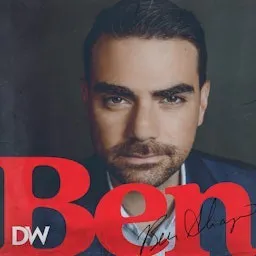
Episode Summary
Executive Summary: The episode argues that the media’s credibility crisis predated Trump and has been worsened by coordinated anti-Trump coverage, overreaction to John Brennan’s security-clearance revocation, and broader ideological bias in culture and journalism. Ben Shapiro also critiques left-wing framing on religion, gender roles, patriotism, and social media moderation, while contrasting human fragility against evil with a warning about naivete and the need for virtue, institutions, and vigilance.
Main Topics: Media distrust and the 300-newspaper anti-Trump campaign: Shapiro says the coordinated editorials against Trump reveal media partisanship rather than neutrality, and that distrust of the press long predates Trump because of years of perceived bias and dishonesty. John Brennan and security clearance politics: He attacks Brennan as dishonest and politicized, arguing the media exaggerated the removal of his clearance and ignored past abuses by prior administrations. The media’s cultural bias and selective outrage: Shapiro argues distrust is driven not only by politics but by how outlets frame religion, fatherhood, gender, and public institutions in ways he sees as contemptuous of traditional values. Evil, human nature, and the Tajikistan ISIS murders: He uses the murder of cyclists by ISIS to argue that evil is real, powerful, and must be actively checked by moral systems, strong institutions, and vigilance. Gender roles, fatherhood, and a New York Times essay: He criticizes a NYT piece about a father being called ‘mommy,’ using it to argue that the left seeks to erase meaningful distinctions between mothers and fathers. Social media moderation and gatekeeping: Shapiro rejects Twitter’s attempt to define ‘healthy conversation,’ warning that platform leaders and media elites should not control what viewpoints are elevated or suppressed. Culture-war examples: Glenn Close, Hillary Clinton, and adult-baby fetishism: He praises comments defending acting as transformation, criticizes Hillary Clinton’s praise of a child’s anti-pledge protest, and mocks an adult-baby fetish segment to argue society is normalizing disturbing behavior.
Key Arguments: The coordinated backlash from 300 newspapers shows the media acting collectively against Trump, which undermines claims of impartiality. Distrust of mainstream media existed well before Trump; Trump amplified it, but did not create it. John Brennan’s public attacks are treated as credibility-heavy despite his own history of misleading Congress and politicizing intelligence. The media applies different standards to institutions depending on ideological preference, especially in comparing abuse scandals in the Catholic Church versus public schools or Hollywood. Evil is real, not merely a social construct; societies must identify and resist destructive value systems rather than excuse them as differences. The left uses journalism and social platforms to normalize ideological positions on gender, family, and patriotism rather than merely report facts. Children’s confusion about parental labels does not prove a social revolution; it reflects childhood development, not a collapse of gender roles. Patriotism and shared national symbols matter politically; dismissing them alienates the country’s middle and weakens social cohesion.
Data Points: Number of newspapers participating in anti-Trump editorials: 300 - The Boston Globe coordinated a nationwide editorial campaign against Trump. Independents calling the news media 'the enemy of the American people': 26% - Shapiro cites polling to show distrust of the media extends beyond Republicans. Independents who view the New York Times as untrustworthy: 37% - Used to argue even independents do not fully trust elite outlets. Independents who view the New York Times as trustworthy: 60% - Shapiro argues this is weaker-than-expected trust for a supposed neutral institution. Two-week emergency food supply cost: $75 - Promoted in the My Patriot Supply ad read. Emergency food supply servings: 92 servings - Ad read described the contents of the food kits. Food storage lifespan: Up to 25 years - Ad read for emergency preparedness. John Brennan clearance status duration: Over two years unused - Shapiro argues Brennan had no practical need for a security clearance after leaving office. Paul Manafort jury note: Asked for the definition of reasonable doubt - Shapiro interprets this as a sign the trial may not be going well for the prosecution. Pennsylvania Catholic Church abuse scope: About 1,000 kids minimum - Used to illustrate the scale of abuse and cover-up in the Church. Associated Press report on school sex assaults: 17,000 official reports - Shapiro uses this to argue public schools receive less outrage than the Catholic Church. Federal report on California public school victims: 422,000 students - Cited as a comparison point for abuse in schools versus religious institutions. AAUW survey estimate: 4.5 million students - Projected number of students who experienced sexual abuse by an educator across K-12.
Pivotal Quotes: "The fake news media is the opposition party. It is very bad for our great country." — Donald Trump: Quoted by Shapiro during the segment on coordinated newspaper editorials and media hostility. "I've seen this type of behavior and actions on the part of foreign tyrants and despots and autocrats for many, many years during my CIA and national security career." — John Brennan: Shapiro cites Brennan’s televised reaction to losing his security clearance. "Evil is a make-believe concept we've invented to deal with the complexities of fellow humans holding values and beliefs and perspectives different than our own." — Jay Austin (as quoted in the transcript): Used as the central example in Shapiro’s discussion of human naivete and the reality of evil.
Implications: The episode reinforces a media- and culture-war message: audiences should question elite institutions, resist ideological framing, and treat moral order and civic identity as fragile. It suggests future conflict over journalism, family norms, religion, and platform moderation.
About The Ben Shapiro Show
Tired of the lies? Tired of the spin? Are you ready to hear the hard-hitting truth in comprehensive, conservative, principled fashion? The Ben Shapiro Show brings you all the news you need to know in the most fast moving daily program in America. Ben brutally breaks down the culture and never gives an inch! Monday thru Friday.