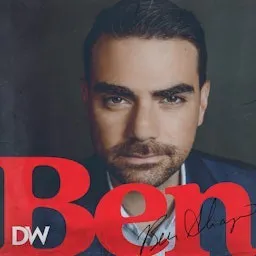
Episode Summary
Executive Summary: The episode centers on Ben Shapiro’s criticism of media coverage of Iran’s attacks on ships and his broader argument that Trump is being unfairly blamed for Iranian aggression. It also covers the legality and morality of receiving foreign opposition research, defending Trump on Hatch Act/press-briefing controversies, and a lengthy mailbag on adoption, anti-discrimination law, foreign policy, education, and culture-war issues.
Main Topics: Iran, Persian Gulf attacks, and U.S. retaliation: Shapiro argues Iran was responsible for attacks on tankers in the Gulf of Oman and that media coverage wrongly frames Trump’s response as the cause of escalation. He says the U.S. should be willing to use force if Iran threatens shipping or American interests. Media bias and historical comparisons on foreign policy: He contrasts skepticism toward intelligence under Bush with trust in intelligence under Obama, arguing that media and Democrats selectively accept intelligence when it supports their preferred narratives and reject it when it implicates Iran under Trump. Trump and foreign opposition research: The show examines Trump’s statement that he might listen to foreign information about political opponents before reporting it to the FBI. Shapiro says this is morally wrong and politically stupid, but not clearly illegal under current law as commonly portrayed. Legal and political disputes around the Hatch Act and Kellyanne Conway: Shapiro disputes calls to fire Kellyanne Conway for Hatch Act violations, calling the law overbroad and incoherent, and argues it should be rewritten rather than used to punish partisan speech by executive branch officials. White House communications and Sarah Huckabee Sanders: He defends Sanders’s combative press-secretary role as standard political messaging, noting that press secretaries are paid to defend the administration, not provide personal opinions. Mailbag: adoption, anti-discrimination, civil rights, and culture: A long Q&A covers easier adoption processes, skepticism of anti-discrimination law, support for involuntary treatment in severe addiction cases, FDR criticism, the census/redistricting debate, and views on classical music, Saudi arms sales, and Keanu Reeves’ celebrity image.
Key Arguments: Iran’s attacks on ships in the Gulf should be treated as hostile acts, not as consequences of Trump’s rhetoric. The New York Times and similar outlets invert causality by implying U.S. response creates Iranian aggression rather than the reverse. Trump’s suggestion that he might accept foreign opposition research is morally bad and politically damaging, but current law is not as clear-cut as Democrats claim. Hillary Clinton and the DNC also engaged in foreign-sourced opposition research, so Trump should be judged by a consistent standard. The Hatch Act is too broad and should be rewritten rather than selectively enforced against Trump allies. Press secretaries are meant to defend the president, so Sarah Huckabee Sanders was doing the job she was hired to do. A strong U.S. military response to Iranian harassment would likely deter further attacks rather than trigger full-scale war. Adoption should be made easier, with less state intrusion and more room for religious or private institutions to place children. Anti-discrimination law should not be expanded so broadly that it punishes private speech or beliefs rather than concrete acts. The best way to change minds is to live well and treat opponents decently in everyday life. The U.S. presidential system is preferable to parliamentary systems because coalition governments are unstable and politically inefficient. FDR was a poor president overall, in Shapiro’s view, because New Deal policy prolonged the Depression and expanded state power excessively.
Data Points: Iranian attacks on ships: 2 tankers - Pompeo’s statement referenced attacks earlier in the day on two tankers in the Gulf of Oman. U.S. military deployment: 1,500 additional troops - Shapiro says Iran’s aggression preceded the U.S. decision to put more troops into the region. Operation Praying Mantis losses: 1 Iranian frigate, 1 gunboat, 3 speedboats destroyed; 1 other frigate damaged - He cites the 1988 U.S. retaliation against Iran as evidence of American military dominance. Operation Praying Mantis U.S. deaths: 2 killed - Shapiro notes the only American fatalities were from a Marine Corps helicopter crash during the operation. Operation Praying Mantis Iranian deaths: 56 killed - He summarizes the historical account of the 1988 clash. Great Depression lengthening: at least 8 years - He claims UCLA studies show FDR’s economic policy prolonged the Depression by this amount. Daily Wire subscription price: $9.99/month or $99/year - He promotes Daily Wire membership during the episode. Dollar Shave Club starter set: $5 - Promotional segment for a starter shave kit. Raycon discount: 20% off - Promo code via buyraycon.com/Ben. USCCA giveaway: 7 chances to win $1,234 - Promotional segment tied to a handgun giveaway.
Pivotal Quotes: "The Islamic Republic of Iran is responsible for the attacks that occurred in the Gulf of Oman today." — Mike Pompeo: Shapiro quotes the Secretary of State’s statement attributing the tanker attacks to Iran. "This definitely feels like the kind of incident where you'd want an international investigation to establish what happened." — Ben Rhodes: Shapiro cites Rhodes to argue Obama-era figures are now minimizing Iranian culpability after previously downplaying Iran. "It is illegal for any person to solicit, accept or receive anything of value from a foreign national in connection with the U.S. election." — Ellen Weintraub: Shapiro discusses the FEC chair’s statement and disputes its legal certainty as applied to opposition research.
Implications: The episode reinforces a hardline anti-Iran stance, argues for consistency in election-law enforcement, and frames much of Trump-era controversy as media double standards. It also advances broader conservative themes on speech, family formation, and limited government.
About The Ben Shapiro Show
Tired of the lies? Tired of the spin? Are you ready to hear the hard-hitting truth in comprehensive, conservative, principled fashion? The Ben Shapiro Show brings you all the news you need to know in the most fast moving daily program in America. Ben brutally breaks down the culture and never gives an inch! Monday thru Friday.