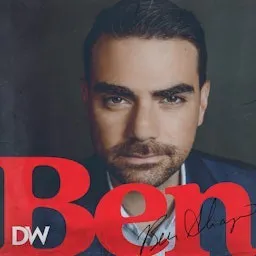
Episode Summary
Executive Summary: The episode centers on Ben Shapiro’s attack on a New York Times Kavanaugh story he says was stripped of crucial context and elevated without real evidence, contrasting it with reporting that Christine Blasey Ford’s key witness doubted her account. It then pivots to Democratic reactions, Trump’s handling of Iran and New York tax investigations, Warren and Harris campaign moves, and a critique of anti-Semitism within the Women’s March.
Main Topics: New York Times Kavanaugh reporting controversy (Priority: 5/5): Shapiro argues the Times ran a weak allegation as news while omitting that the alleged victim did not remember the event, then compounded the error by editing and tweeting in ways that made the claim appear stronger than it was. Christine Blasey Ford and Leland Kaiser dispute (Priority: 5/5): The show highlights reporting that Ford’s close friend, Leland Kaiser, does not believe Ford’s account and says Ford and allies pressured her, framing this as the more newsworthy revelation in the new book. Media bias and Democratic exploitation of Kavanaugh allegations (Priority: 4/5): Shapiro claims mainstream outlets and Democrats are using unverified accusations to relitigate Kavanaugh’s confirmation while ignoring contrary evidence and treating the FBI as the problem instead. Elizabeth Warren and Kamala Harris campaign rhetoric (Priority: 3/5): Warren is portrayed as advancing expansive, quasi-constitutional-busting policy promises on pay equity and lobbying, while Harris is criticized for melodramatic, scripted political messaging. Trump legal and financial pressure in New York (Priority: 3/5): The episode notes subpoenas for Trump’s tax returns and related state investigations, with Shapiro framing them as politically motivated targeting rather than neutral law enforcement. U.S.-Iran tensions and deterrence (Priority: 4/5): Shapiro discusses Saudi oil attacks, Trump’s reluctance to escalate to war, and Republican disagreement over Iran, arguing for deterrence and containment rather than full-scale conflict. Anti-Semitism in the Women’s March and Israeli politics (Priority: 3/5): The segment condemns the Women’s March for replacing one set of anti-Semitic leaders with another and closes by emphasizing persistent anti-Semitism and the stakes of the Israeli election.
Key Arguments: The Times published a weak Kavanaugh allegation in a review section because editors deemed it insufficiently newsworthy for the news pages, which Shapiro uses to argue it was never solidly substantiated. The most newsworthy detail in the book is that Leland Kaiser, a key figure in Christine Blasey Ford’s account, says she did not believe Ford and felt pressured to change her story. Removing the line noting the alleged victim had no memory of the incident materially altered the meaning of the Kavanaugh accusation and made it look corroborated when it was not. Democrats and many media outlets are more interested in keeping Kavanaugh under attack than in pursuing actual evidence. The FBI cannot reasonably investigate every unsupported or vague allegation, especially when the supposed victim or key witness does not recall the event. Elizabeth Warren’s and other Democrats’ rhetoric is cast as populist but constitutionally reckless, particularly when discussing executive power over pay gaps and corporate influence. Trump appears reluctant to start a major war with Iran; Shapiro argues deterrence and calibrated pressure are the proper foreign-policy posture. The Women’s March is portrayed as symbolically replacing one anti-Semitic leadership circle with another, showing that anti-Semitism remains entrenched on the activist left.
Data Points: New York Times placement: News analysis section - Shapiro says the Kavanaugh allegation was published in the Times’ news analysis rather than the news section because editors believed it lacked sufficient substance. Kavanaugh allegation source: One third-party witness, Max Steyer - The piece centered on a witness claim that another man pushed Kavanaugh’s penis into a woman’s hand. Alleged victim memory: No memory of the incident - The Times later corrected the story to note that the alleged victim did not recall the event. Book reporting on Ford’s friend: All four people Ford identified at the 1982 party said no such party occurred - Shapiro cites CBS reporting on the broader Kavanaugh book revelations. Women’s March rally size: 20,000 claimed; 5,000 estimated by police - Shapiro references Elizabeth Warren’s New York rally crowd estimates. Trump tax lookback: 8 years - A subpoena sought Trump and his company’s last eight years of state and federal tax returns. Saudi oil impact: 50% reduction in oil production - U.S. and Saudi officials assessed the effect of the attack on Saudi Aramco facilities. Lending Club cap: Up to $40,000 - Promotional mention of debt consolidation loan limits. ZipRecruiter metric: 4 out of 5 employers - Ad copy claims most employers posting there get a quality candidate within the first day. Legacy Box discount: 40% off - Promotion for preserving old media and photos.
Pivotal Quotes: "Somewhere in the editing process, those words were trapped." — Robin Pogrebin / Kate Kelly: The reporters explain how the line noting the alleged victim had no memory of the incident was removed from the Times piece. "I have no confidence in the story." — Leland Kaiser: Shapiro cites the key witness in the Christine Blasey Ford account disputing the allegation. "On day one of my administration, I will use my executive authority to start closing the pay gap between women of color and everyone else." — Elizabeth Warren: Warren’s campaign rally pledge on using executive power to address wage inequity.
Implications: The episode argues the Kavanaugh saga shows how media framing can overwhelm evidence, with consequences for institutions, elections, and public trust. It also frames 2020 politics and Iran policy as tests of whether rhetoric will be matched by restraint and facts.
About The Ben Shapiro Show
Tired of the lies? Tired of the spin? Are you ready to hear the hard-hitting truth in comprehensive, conservative, principled fashion? The Ben Shapiro Show brings you all the news you need to know in the most fast moving daily program in America. Ben brutally breaks down the culture and never gives an inch! Monday thru Friday.