Episode Summary
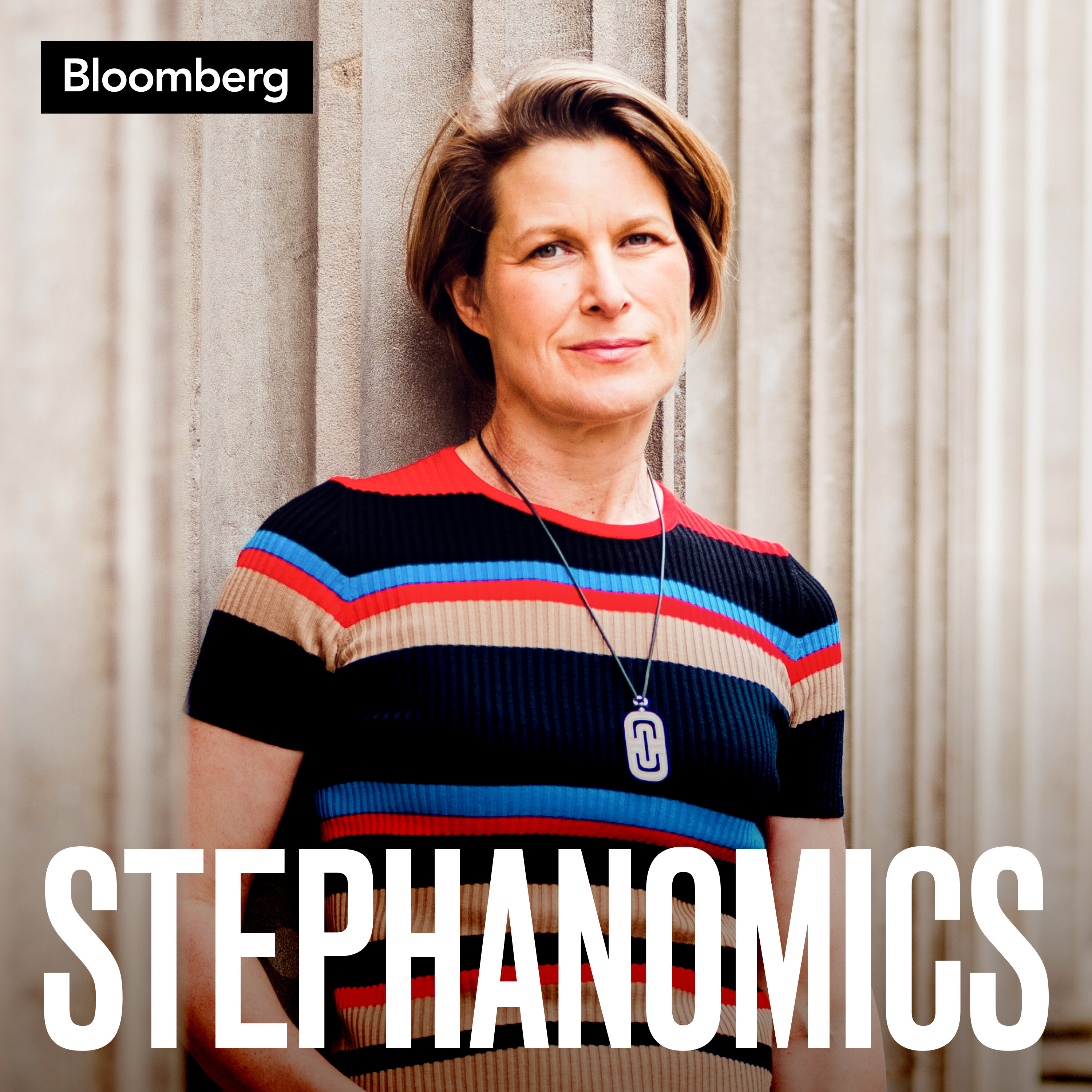
Executive Summary: In the final Trumponomics episode, Stephanie Flanders and guests assess the election’s economic message: voters remain angry about affordability and government corruption despite relatively strong headline indicators. They discuss possible Democratic priorities, bipartisan industrial policy, tariffs, the Iran war, and the future of economic populism. The show also announces it will become Stephanomics, broadening its focus to the global economy.
Main Topics: Election results and voter dissatisfaction: The election is described as a broad repudiation of the president and the status quo, not a blanket endorsement of Democratic policy. Cost of living and corruption were prominent voter concerns. Affordability and the disconnect in economic measures: Oren Cass argues that solid macroeconomic indicators have not translated into a sense of economic well-being. He sees affordability as reflecting a deeper gap between the lives people want and what the economy delivers, rather than simply a demand for lower prices. Possible Democratic agenda and governing opportunities: Democrats may pursue expanded Affordable Care Act tax credits, state-level pocketbook policies, and an effort to appear willing to govern in good faith. Guests identify industrial policy and a possible budget bargain as areas for bipartisan action. Trump’s economic agenda, manufacturing, and tariffs: Cass advocates workforce development, systematic reindustrialization, productive-investment incentives, and worksite-focused immigration enforcement. He says manufacturing indicators have improved and tariffs have not caused the feared inflation, while the panel expects many tariffs to persist across administrations. Political risks and policy constraints: The discussion highlights corruption concerns, the Iran war, the looming deficit, and the difficulty of changing voter sentiment through short-term policy moves. A debt-ceiling deadline could create an opening for negotiations, while Democrats may face a choice between investigations and economic priorities. The post-Trump political and economic settlement: Cass sees Trump as a transitional figure who weakened the Reagan-era consensus without creating a coherent successor ideology. Both parties may move toward populist economic rhetoric, but future leaders will contest what that means and fiscal limits will constrain their plans. Podcast transition to Stephanomics: Flanders announces that the weekly show will leave the Trumponomics name and return to Stephanomics, widening its lens from Trump’s economic impact to the forces shaping the global economy.
Key Arguments: Cass argues that favorable headline indicators such as GDP growth, unemployment, and stock-market performance do not resolve voters’ deeper dissatisfaction with the economy and their lived experience. Both parties risk misunderstanding the election if they treat it as support for their full platforms; voters’ discontent creates a need for a credible, aspirational economic vision. Cass says Trump could have pursued a more worker-focused agenda through skills training, reindustrialization, productive investment, and enforcement of immigration law at workplaces, but questions whether he will do so. Cass contends that manufacturing sentiment and employment have improved and that tariffs have not produced the inflation feared by critics; the other speakers nevertheless note tariffs are unpopular and may remain in modified or targeted forms. Democrats have room to act from the center or center-left after their gains, including through healthcare tax credits and state-level policies, but investigations or other distractions could pull attention away from household economics. Industrial policy, including semiconductor production, critical minerals, and shipbuilding, could support bipartisan cooperation; a budget agreement that raises revenue and addresses spending may also be possible. The panel argues that the election does not settle trade policy: concern about Chinese overcapacity and targeted tariffs may persist even if Democrats criticize the scale or unilateral use of Trump’s tariffs. Cass says economic leadership depends not only on immediate indicators but on explaining the problem, setting out a direction, and helping voters recognize progress; he uses Reagan’s recovery and reelection as an example. Trump’s legacy is likely to be a transition away from the Reagan-era consensus rather than a settled doctrine. Both parties may continue populist economic appeals, while deficits limit promises such as further tax cuts or expanded entitlements.
Data Points: Show frequency: Weekly - New episodes will continue in the same feed after the program changes from Trumponomics to Stephanomics. Tariffs discussed: 338 - Wingrove refers to Trump’s 338 tariffs as an example of their broad, discretionary nature, which Democrats have criticized. Possible unemployment in 2028: 7% - Cass presents this as a downside scenario, not a forecast, to illustrate how much the economy could deteriorate before the next election. Reagan-era peak unemployment: 10% - Cass recalls unemployment reaching 10% during the sharp recession associated with the early-1980s Volcker rate increases. Stock-market decline in the early 1980s: 40% - Cass cites a 40% fall as part of the difficult economic backdrop before Reagan’s 1984 reelection. Reagan reelection year: 1984 - Cass uses Reagan’s reelection as an example of how a leader can retain support despite lingering economic weakness by explaining a persuasive direction and signs of recovery. Potential debt-ceiling bargaining window: Mid-next year - Wingrove identifies the expected debt-ceiling pinch as a possible opportunity for a broader deal.
Pivotal Quotes: "But in many respects, I think they're speaking to a much deeper disconnect between what they want from an economy, what they want in their lives, and what they're getting." — Oren Cass: Cass explains why strong headline economic data have not reassured voters and why affordability reflects more than prices alone. "And that's the formula for actual success in American politics." — Oren Cass: Cass concludes that leaders need to explain what is wrong, describe what they will do, and show voters what improvement would look like. "There is no Trumpism. There's just Trump. He is one of one." — Oren Cass: Cass characterizes Trump as a transitional figure rather than the source of a coherent, lasting economic ideology.
Implications: Voters’ economic dissatisfaction may persist even when headline data look healthy, putting pressure on both parties to offer a credible vision for household well-being. Industrial policy and targeted trade measures may endure, while deficits constrain promises; Stephanomics will broaden this debate globally.
About Trumponomics
Tariffs, crypto, deregulation, tax cuts, protectionism, are just some of the things back on the table when Donald Trump returns to the Presidency. To help you plan for Trump's singular approach to economics, Bloomberg presents Trumponomics, a weekly podcast focused on the Trump administration's economic policies and plans. Editorial head of government and economics Stephanie Flanders will be joined each week by reporters in Washington D.C. and Wall Street to examine how Trump's policies are s...