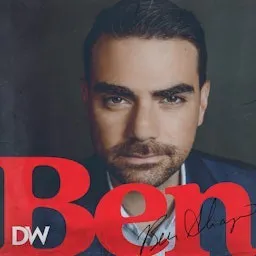
Episode Summary
Executive Summary: The episode argues that media, Democratic leaders, and activists distort police shootings to reinforce a false narrative of systemic police racism. Using the Columbus shooting of Micaiah Bryant as the central example, it claims the officer saved another black girl from being stabbed, yet was condemned by the White House, media figures, and LeBron James. The show links this narrative to anti-police policy, CRT/anti-racism ideology, and rising crime.
Main Topics: Media narrative vs. incident facts in the Columbus shooting: The host says coverage of Micaiah Bryant’s death omitted or downplayed that she was allegedly attacking another girl with a knife, framing the event as a racist police killing before the facts were known. Critique of systemic racism claims in policing: The episode argues that claims of systemic police racism are circular and unsupported by evidence, insisting police actions are based on criminal behavior rather than race. Role of Ibram X. Kendi and critical race theory: Kendi is presented as a prominent but dangerous ideologue whose anti-racism framework is described as discriminatory and influential in education and media. White House and Democratic response to police incidents: The transcript criticizes the Biden administration for immediately framing the shooting as proof of systemic racism and for pushing broader anti-police reforms. LeBron James and activist outrage: The host condemns LeBron James, Ben Crump, and other commentators for amplifying a misleading version of events and attacking the officer publicly. Consequences of anti-police policy and crime increases: The episode argues that defunding or constraining police will increase homicide and violent crime, especially harming black communities in high-crime areas.
Key Arguments: The Columbus officer did not shoot a random black teenager; he responded to an altercation in which Bryant appeared to be trying to stab another girl. Media coverage, especially early headlines and clips, allegedly suppressed crucial facts like the knife and 911 context to keep the story aligned with a racism narrative. The term 'systemic racism' is described as semantically vague and used in a circular way to avoid proving actual racist intent or racist policy. Available crime and policing data are said to show police respond to criminal behavior, not race; disparities in arrests reflect disparities in underlying offending rates. The show claims studies and DOJ data do not support the assertion that black suspects are fatally shot by police at higher rates than comparable white suspects. The left is accused of caring only about black lives when police are involved, not black-on-black violence, which allegedly receives little national attention. Public officials and commentators are said to be incentivized to exaggerate police misconduct, which fuels anti-cop policy and may increase violent crime. Reducing police presence and prosecutorial enforcement will, the host argues, lead to more deaths in minority communities rather than less racism.
Data Points: Black Americans killed by police in 2019: about a quarter of 1,004 police fatally shot people - Used to argue black victims were not disproportionately shot relative to violent-crime involvement People fatally shot by police in 2019: 1,004 - Cited from Heather McDonald to argue most were armed or dangerous Black Americans as share of known homicide offenders in 2018: 53% - Used to compare offending patterns with police encounters Black Americans as share of robberies in 2018: about 60% - Used to support claim that arrest patterns track crime patterns Black population share: 13% - Used as comparative demographic baseline Black male relative risk statement: 18.5 times more likely - Host cites a statistic about police being more likely to be killed by a black male than an unarmed black male is to be killed by police Estimated black homicide deaths in 2019: about 7,500 - Used to contrast police shootings with intraracial homicide levels Ohio State protest duration: 16 minutes - Protesters sat in silence for Bryant’s age Micaiah Bryant age: 16 - Central Columbus shooting subject Nayara Givens age: 13 - Cincinnati stabbing victim highlighted as underreported Micaiah Bryant police response time: 22 seconds - Jason Johnson’s description of the officer’s response Facebook accounts exposed: 500 million - Used in a sponsor-read segment about home title protection
Pivotal Quotes: "Justice is opening the door to an anti-racist future where American fear is endangered, where I no longer live in fear, where Americans no longer live in fear of me." — Ibram X. Kendi: Quoted from CBS News segment discussing the Chauvin verdict and race in America "The cop saved a black girl's life. That's what happened here." — Ben Shapiro: Core characterization of the Columbus shooting after reviewing the body-cam footage "This is not about protecting black lives. It's about hatred of cops." — Ben Shapiro: Summarizes the host’s central thesis about media and activist reaction
Implications: The episode predicts more violent crime and fewer safe communities if public policy continues to weaken policing. It also warns listeners that media framing of race-and-policing stories may be more ideological than factual, shaping policy in ways that harm the very communities activists claim to protect.
About The Ben Shapiro Show
Tired of the lies? Tired of the spin? Are you ready to hear the hard-hitting truth in comprehensive, conservative, principled fashion? The Ben Shapiro Show brings you all the news you need to know in the most fast moving daily program in America. Ben brutally breaks down the culture and never gives an inch! Monday thru Friday.