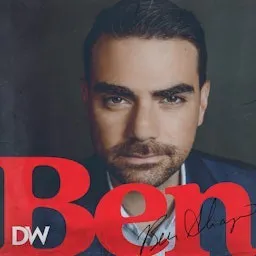
Episode Summary
Executive Summary: Ben Shapiro argues that the New York Times and other left-leaning outlets are using stories about YouTube radicalization and platform moderation to justify pressuring tech companies into censoring mainstream conservative speech. He also discusses alleged Pinterest bias against pro-lifers, evaluates Trump’s Mexico tariff strategy as a possible immigration win but still unclear, and closes with critiques of left-wing communism and right-wing statism.
Main Topics: New York Times story on YouTube radicalization: Shapiro attacks a front-page NYT article on Caleb Kane as a thinly sourced narrative that conflates mainstream conservatism with the alt-right and is designed to delegitimize right-wing voices online. Tech-platform censorship and media pressure: He argues that the NYT, Washington Post, and allied outlets are lobbying YouTube, Google, and other platforms to suppress conservative content under the guise of fighting extremism. Pinterest whistleblower allegations: He cites Project Veritas claims that Pinterest blacklisted pro-life and conservative content, including Live Action and his own material, as evidence of broader ideological bias in tech moderation. Trump’s tariffs and Mexico immigration deal: Shapiro treats Trump’s Mexico tariff threat as potentially effective leverage if it yields a real asylum or safe-third-country arrangement, but says the public facts remain unclear. Left-wing and right-wing economic critiques: He takes issue with a New York Times pitch for 'fully automated luxury communism' and with Henry Olson’s defense of FDR-era state intervention, arguing both miss the value of markets and liberty. Free speech, free markets, and political power: Across the episode, he frames censorship, advertiser pressure, and platform governance as part of a coordinated effort to reshape public debate and restore media gatekeeping power.
Key Arguments: The NYT’s YouTube article is less journalism than narrative construction, using one man’s trajectory to smear mainstream conservatism as a gateway to white supremacy. Conservative content is being intentionally lumped together with extremist content so platforms will self-censor before the 2020 election. YouTube, Google, Pinterest, and similar platforms are likely to elevate 'authoritative' left-leaning sources while suppressing right-leaning voices. Project Veritas’ Pinterest material, if accurate, shows ideological moderation being applied to pro-life and conservative content, not just extremist material. Trump’s Mexico tariff threat could be justified if it produces real immigration concessions, but the situation needs verification before credit or blame is assigned. The media’s attack on tech platforms is partly ideological and partly driven by fear of losing market share and influence to independent conservative media. Both the communism essay and Henry Olson’s pro-FDR argument are presented as examples of bad economic thinking that underestimates markets and overstates government planning. Shapiro argues that freedom of speech should be trusted to the public and open competition, not to companies pressured by activists and legacy media.
Data Points: ED untreated rate: 70% - Used in Roman ad copy to say most men with erectile dysfunction do not seek treatment. YouTube users aged 18-24: 94% - Cited from Pew Research to show YouTube’s reach among young Americans. YouTube upload volume: 500+ hours per minute - Used to emphasize the platform’s scale and the difficulty of moderation. YouTube active users: 2 billion monthly active users - Referenced in the NYT discussion of platform influence. Pinterest users: 300 million active monthly users - Used in the Project Veritas/Pinterest discussion. Kane’s YouTube history: 12,000+ videos - NYT says it reviewed his watch history to map radicalization. Kane’s search queries: 2,500+ searches - Part of the data he shared with the NYT. Stamps.com discount: 5 cents off every first-class stamp - Promotional detail in ad read. Priority Mail discount: up to 40% off - Stamps.com ad read. Omaha Steaks package value: $235 - Father’s Day steak package advertised at a discount. Omaha Steaks sale price: $59.99 - Advertised price for the Father’s Day Steak Fix package. Omaha Steaks discount: 74% off - Promotional framing for the Father's Day offer. Google/YouTube moderation threshold: borderline content - Quoted discussion of ranking and limiting content that may not violate policies but could 'cause harm'. Recent Chinese rare-earth price move: up by one third - Washington Post piece says dysprosium oxide rose on tariff fears.
Pivotal Quotes: "They are hoping to use YouTube in order to quash conservative viewpoints." — Ben Shapiro: Core thesis about the media’s motive in covering radicalization on the platform. "What the left hopes to do is cause the tech companies to curb the content they allow on their platforms in advance of 2020." — Ben Shapiro: Explanation of why the NYT and similar outlets are targeting platform moderation. "I see the forms of making and unmaking each other as sort of continuous processes." — Sophie Lewis: Quoted by Shapiro in his critique of pro-abortion rhetoric as euphemistic and morally evasive.
Implications: Listeners are warned to expect more pressure on platforms to de-rank or remove conservative content, especially before elections. Shapiro sees the broader fight as one over who controls information: the public market or a media-tech censorship alliance.
About The Ben Shapiro Show
Tired of the lies? Tired of the spin? Are you ready to hear the hard-hitting truth in comprehensive, conservative, principled fashion? The Ben Shapiro Show brings you all the news you need to know in the most fast moving daily program in America. Ben brutally breaks down the culture and never gives an inch! Monday thru Friday.