Episode Summary
Executive Summary: This episode is a broad defense of capitalism, personal responsibility, and American exceptionalism against rising Marxist/socialist ideas. Through clips and commentary from Peter Robinson, Ted Cruz, David Mamet, Mike Rowe, John Stossel, and Dave Ramsey, it argues that free markets create prosperity and dignity, while socialism fosters dependence, politicizes grievance, and undermines virtue, work, and liberty.
Main Topics: Rise of Marxist and socialist rhetoric: The host frames contemporary left politics as a resurgence of Marxist ideas that recast inequality as exploitation and blame systems rather than individuals. Capitalism as moral and practical: Repeated claims that free exchange respects individual labor, incentivizes innovation, and is not merely efficient but ethically right. American exceptionalism and shared civic identity: Peter Robinson’s segment argues the U.S. remains a miracle nation with enough common history and ideals to unite without a Cold War-style external enemy. Work ethic, virtue, and personal responsibility: Mike Rowe and Dave Ramsey emphasize delayed gratification, integrity, and skills as the real drivers of success, contrasting them with dependency culture. Critique of social justice and economic justice language: David Mamet argues these terms obscure power and replace law with emotional politics, warning they lead toward authoritarianism. Immigration, conservatism, and the Hispanic vote: Ted Cruz presents Hispanic cultural values—faith, family, patriotism, hard work—as naturally conservative and argues Democrats seek dependency politics. Government overreach and failed intervention: John Stossel argues regulation and welfare programs often entrench dependency, while market-based solutions outperform bureaucratic ones.
Key Arguments: Marxism appeals by promising to change human nature through system change, not by proving economic efficiency. Communism has failed wherever tried; European welfare states function only within capitalist systems. Capitalism is moral because it honors ownership of one’s labor and requires consent for exchange. Many Americans take prosperity for granted and incorrectly assume it is the natural state, rather than the product of institutions and culture. Social justice rhetoric often replaces law with mob pressure and can become authoritarian. The U.S. still has enough common ideals and historical memory to sustain national unity if citizens choose to work at it. Work ethic and self-discipline correlate strongly with wealth-building and life stability. Government programs often create dependency, while market competition encourages innovation and lower prices. The skills gap is real and reflects opportunity, not simply corporate greed or worker laziness. Cultural values like faith, family, and hard work help explain why many Hispanic voters can align with conservative politics.
Data Points: Life insurance savings via PolicyGenius: $1,500 or more per year - Promotional segment urging listeners to compare insurance quotes. Peter Robinson White House speeches written: 300 speeches - Biographical introduction to Robinson’s Reagan/Bush speechwriting career. Years in Peter Robinson’s White House service: 6 years - Robinson’s tenure as chief speechwriter and special assistant. Hispanic vote for Ted Cruz in Texas 2012: 40% - Cruz cites this as evidence of conservative appeal among Hispanic voters. Hispanic vote for Ted Cruz in Texas 2018: 42% - Cruz notes his share improved despite media opposition. Food stamp recipients who came off assistance: 5 million - Cruz uses this to illustrate the impact of pro-growth policies on self-sufficiency. Jobs cited by Mike Rowe as vacant: 6.3 million jobs - Rowe argues the skills gap is evidence of real opportunity. Scholarship funding distributed by Mike Rowe Works Foundation: About $5 million total; about $800,000 annually - Rowe describes his sweat pledge and work ethic scholarship program. Proud to be American among Republicans: 73% under Obama; 77% under Trump - John Stossel cites polling to show Republican patriotism remains high across administrations. Proud to be American among Democrats: 54% under Obama; 38% under Trump - Stossel cites the decline as evidence of partisan identity polarization. Poverty-rate chart duration referenced: War on Poverty and pre/post trends over decades - Stossel argues government anti-poverty efforts did not outperform existing upward trends. Millionaires who inherited nothing: 79% - Dave Ramsey uses this to argue wealth is commonly self-made, not inherited.
Pivotal Quotes: "Communism there. Capitalism here." — Peter Robinson: Robinson describes standing at the Berlin Wall and feeling the contrast between East and West Berlin. "Social justice is fascism. That’s what it means." — David Mamet: Mamet argues that social justice replaces law with the loudest voices and leads to coercive politics. "The bottom line of capitalism is I'm not going to get anything from you unless I give something to you." — Ben Shapiro: Shapiro summarizes the moral logic he attributes to free exchange and mutual benefit.
Implications: The episode urges listeners to treat liberty, work, and virtue as prerequisites for prosperity. Its broader message: cultural and political renewal depends less on redistribution and more on restoring responsibility, civic unity, and market institutions.
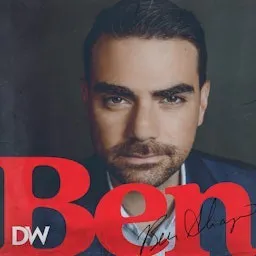
About The Ben Shapiro Show
Tired of the lies? Tired of the spin? Are you ready to hear the hard-hitting truth in comprehensive, conservative, principled fashion? The Ben Shapiro Show brings you all the news you need to know in the most fast moving daily program in America. Ben brutally breaks down the culture and never gives an inch! Monday thru Friday.